Story Stack

A Master's capstone exploring how a storytelling card game and app can help families share and preserve family stories for the future, with low-effort.

Role: Sole UX Researcher, UX Designer, Graphic Designer
Fall 2025 - Spring 2026, 24 weeks

Overview
For my Master's capstone, I researched and designed a way to help families share and preserve stories in a fun, low-effort way. The project unfolded in two phases: three months of research and early concept development, followed by three months of in-depth digital and visual design. Final outcomes included a physical storytelling card game, branding, a concept pitch, UX research, and a detailed app prototype.
Problem + Outcomes
Recording family stories can feel like a lot of work, but not recording means they get lost.
Problem: Family stories connect us through shared memories, but they're rarely recorded — they come up unpredictably, with different people, in different places, at different times, and capturing them often feels like too much work. Over time, stories get lost.
Outcomes: Designed a storytelling card game and app that helps families casually connect over shared stories and capture them with minimal effort. Created cohesive branding across visual and digital touchpoints, including a detailed UX design system. Conducted research and usability testing with 20+ participants across all ages, iterating through gameplay tests and 100+ prototype screens to fully explore the ways families can play and preserve stories together.
UX Research
Learning what's out there, what stories families share, and how people remember and connect.
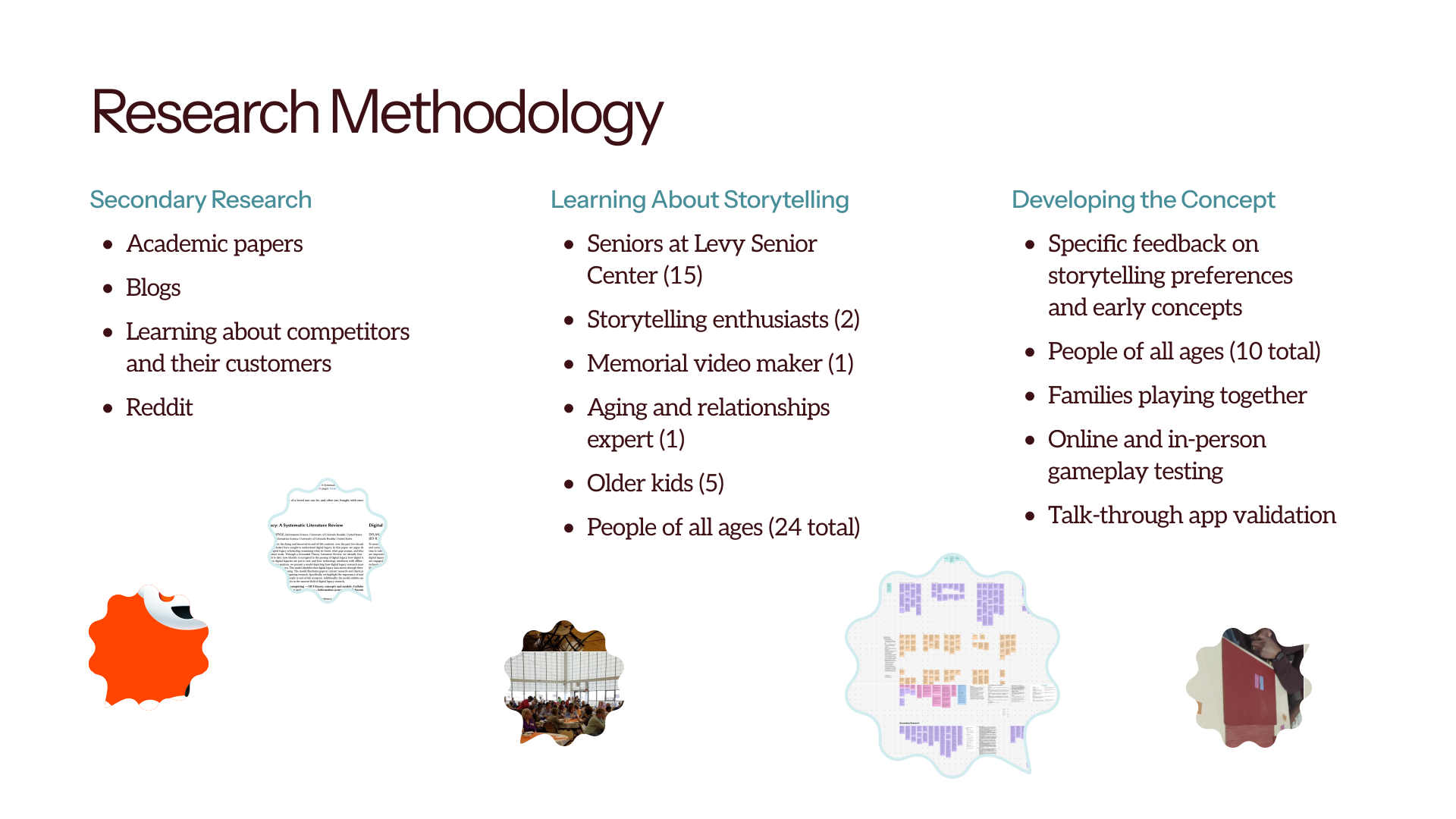
Secondary Research: I started the research process by conducting secondary research, with a goal of understanding current solutions, the storytelling space, and how family storytelling ties into sense of self and digital storytelling considerations. This included reviewing around 20 academic papers, combing through forums, online blogs, and more.
Primary Research: I asked a variety of ages about what stories their families shared, when, and how. This included about 5 teenagers, 20 seniors at the Levy Senior Center in Evanston, and 4 middle generation adults. I also learned more broadly about keeping memories from someone who made memorial videos, and a relationships and aging professor at Northwestern. Research was organized, mapped, and turned into frameworks to define project direction.
Research Insights and Design Requirements
1. Making it easier to record stories: recording should be quick and flexible, with prompts that help fill in missing context naturally.

2. Bridging physical and digital storytelling: a family tool should feel warm and tangible, with digital as an option rather than a requirement.

3. Connecting generations through stories: stories resonate when they feel relevant — the experience should meet people of all ages where they are.

4. Representing legacies meaningfully: captures should reflect personality and specificity, not just facts.
Process Work
Deciding on a storytelling game to keep the solution low-effort, making a game that was too complex, then having to simplify.
From my research, I created the following problem statement to frame my focus:
How might we help family members of all ages share and preserve their stories together, without it ever feeling like work?
After exploring early concepts with users, a storytelling game was the clear winner. Other concepts - a recording app, voice assistant, and in-call prompter - felt like too much work, invasive, or not kid-friendly. A game felt low-effort, fun, and engaging for all ages.
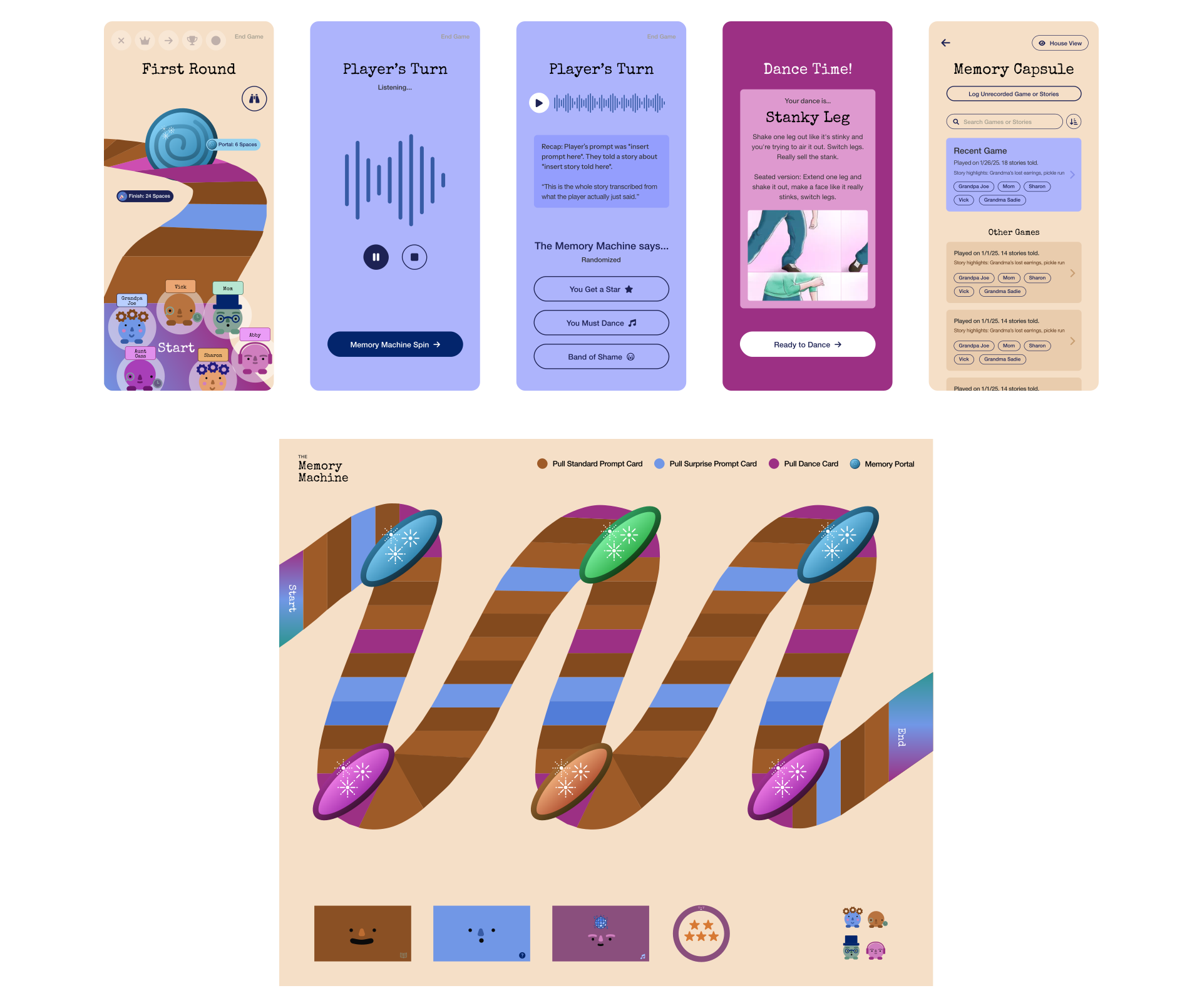
After further user testing on early storytelling game and recording ideas, I designed and printed out an initial version of the game that included a game board, prompt cards, voting on stories, and a dance punishment when stories voted against were told.
After user testing, I quickly found that while I thought this complex game would be fun, it was actually very confusing and the gameplay flow felt awkward. I pivoted to a simple card game to keep the focus on family storytelling, and to make it easier for players of all ages to understand.
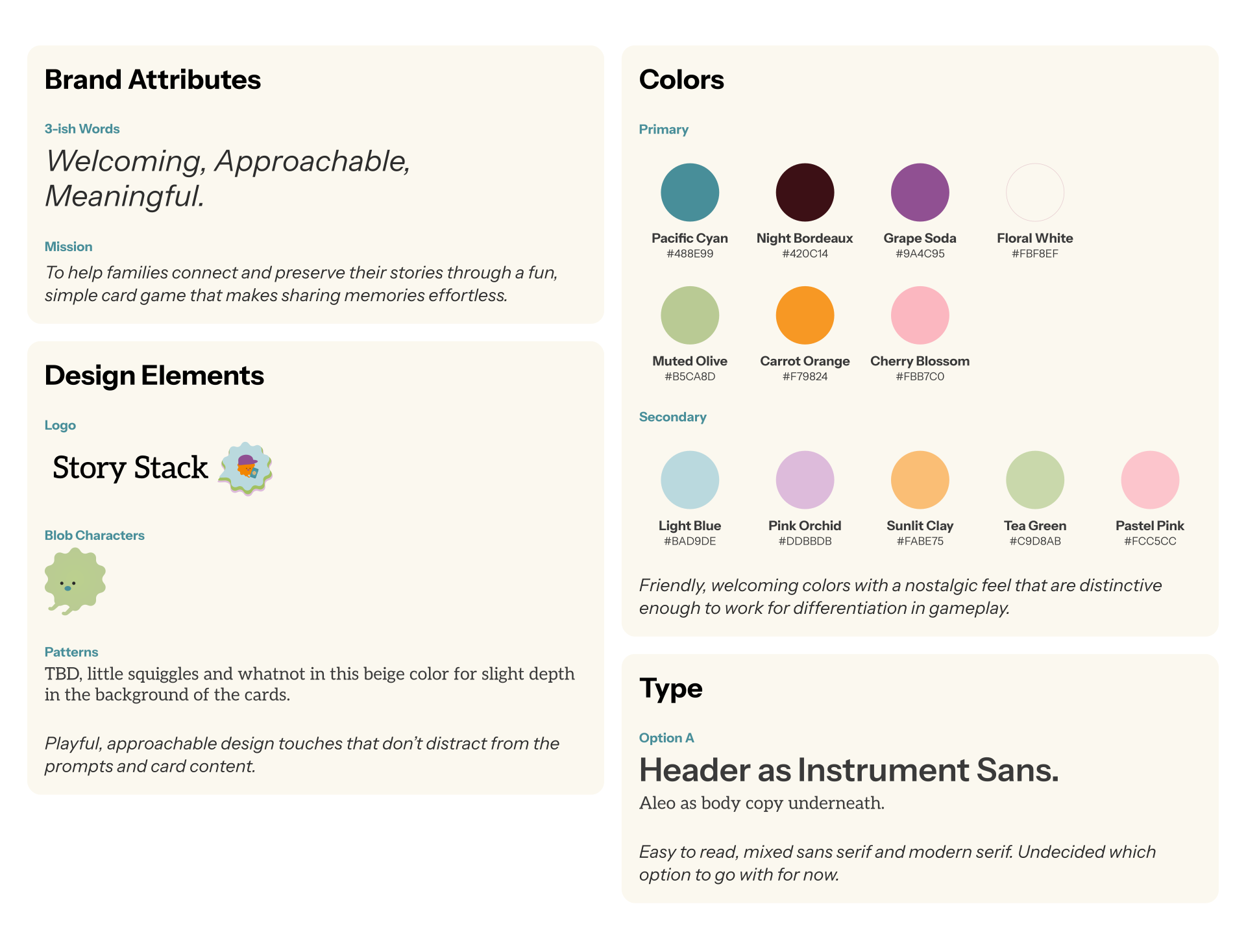
Brand design. Designed to feel welcoming and fun for all ages. Blob shape represents memory and speech bubbles.
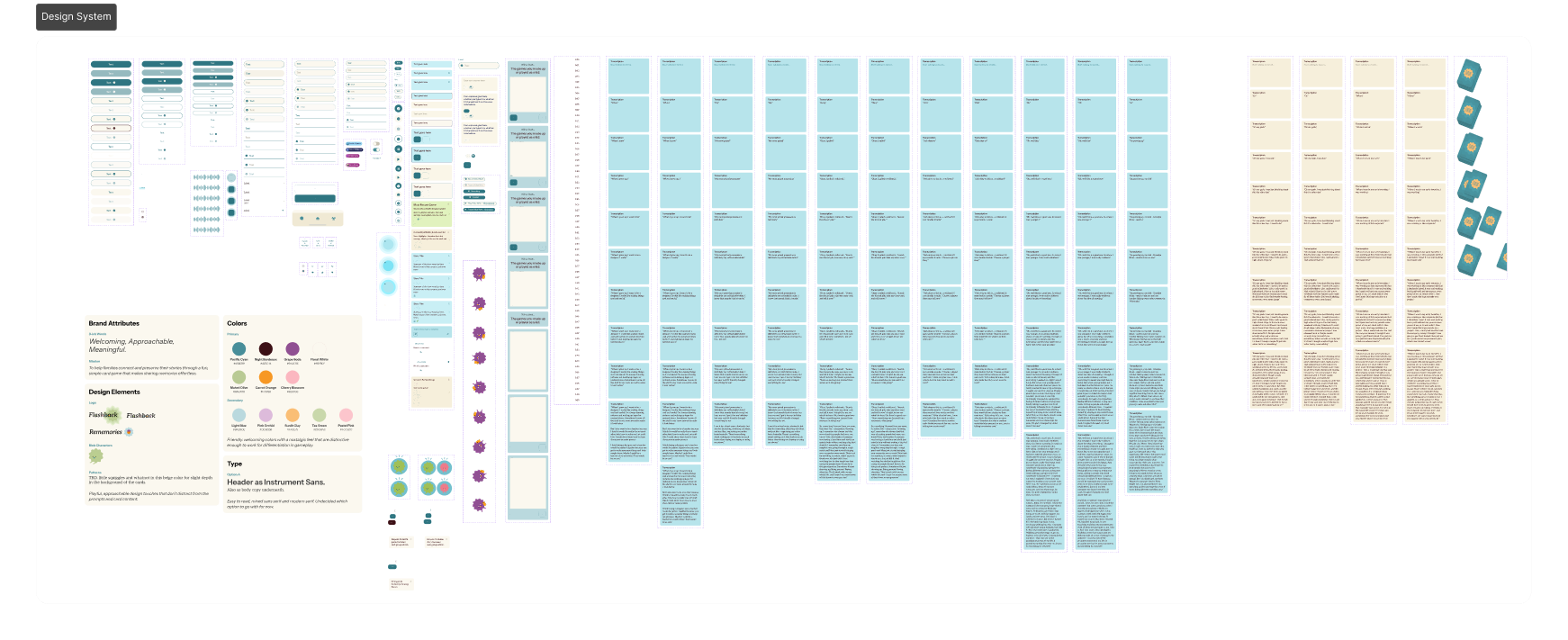
App design system.
Design
Polishing the concept into a storytelling app and game that work together to help families share and record stories in a fun way.
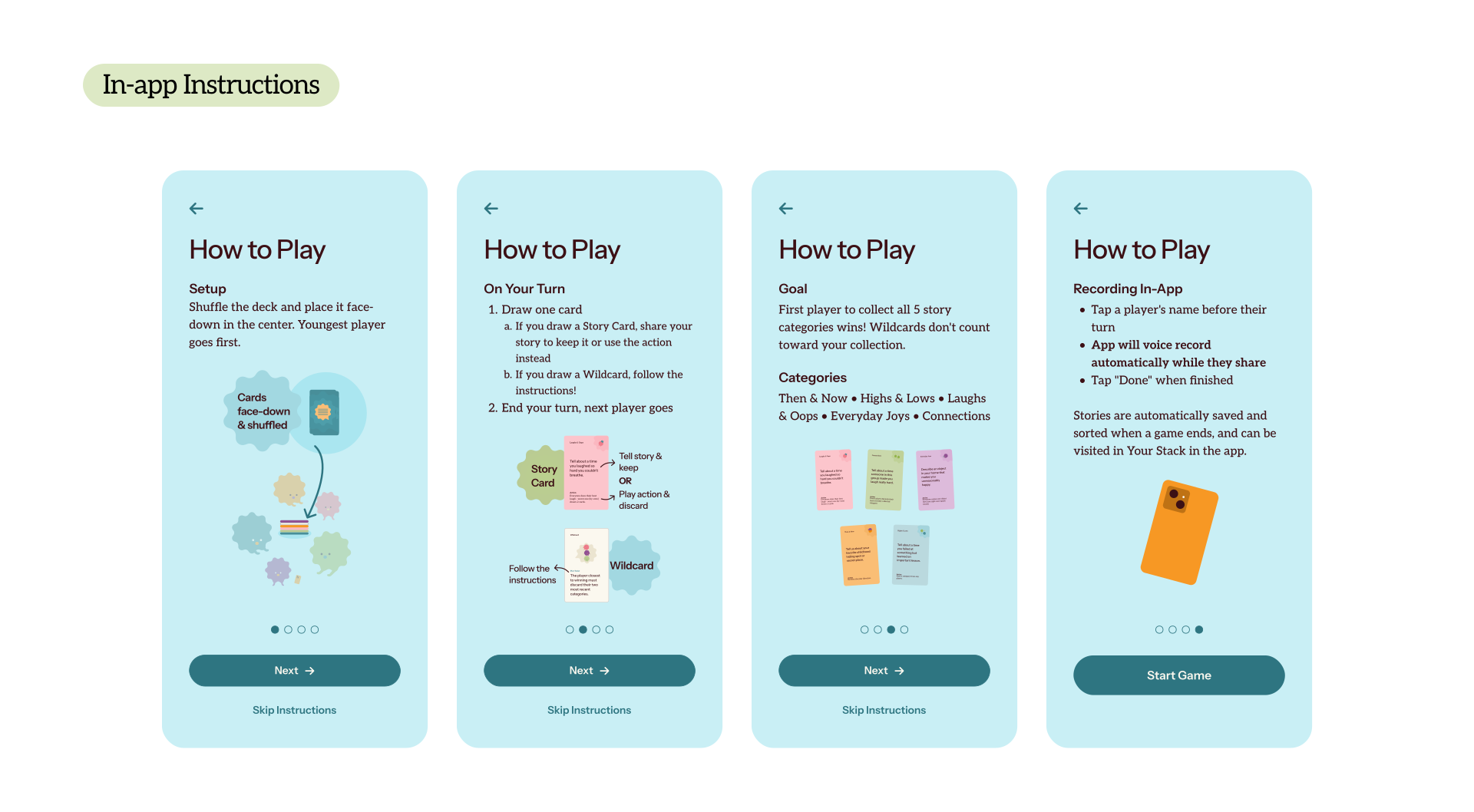
After receiving overall positive feedback on my mid-fidelity cards through gameplay tests, I iterated from user feedback to add more competitive wildcards into the deck and an additional storytelling category to lengthen the gameplay. In the process, I redesigned the cards and app, and designed a box and instruction manual, that matched the new design system. The app was redesigned from the simple mid-fidelity designs to a more built out version with detailed interactions.
Learnings + Next Steps
Owning an idea from research to final presentation.
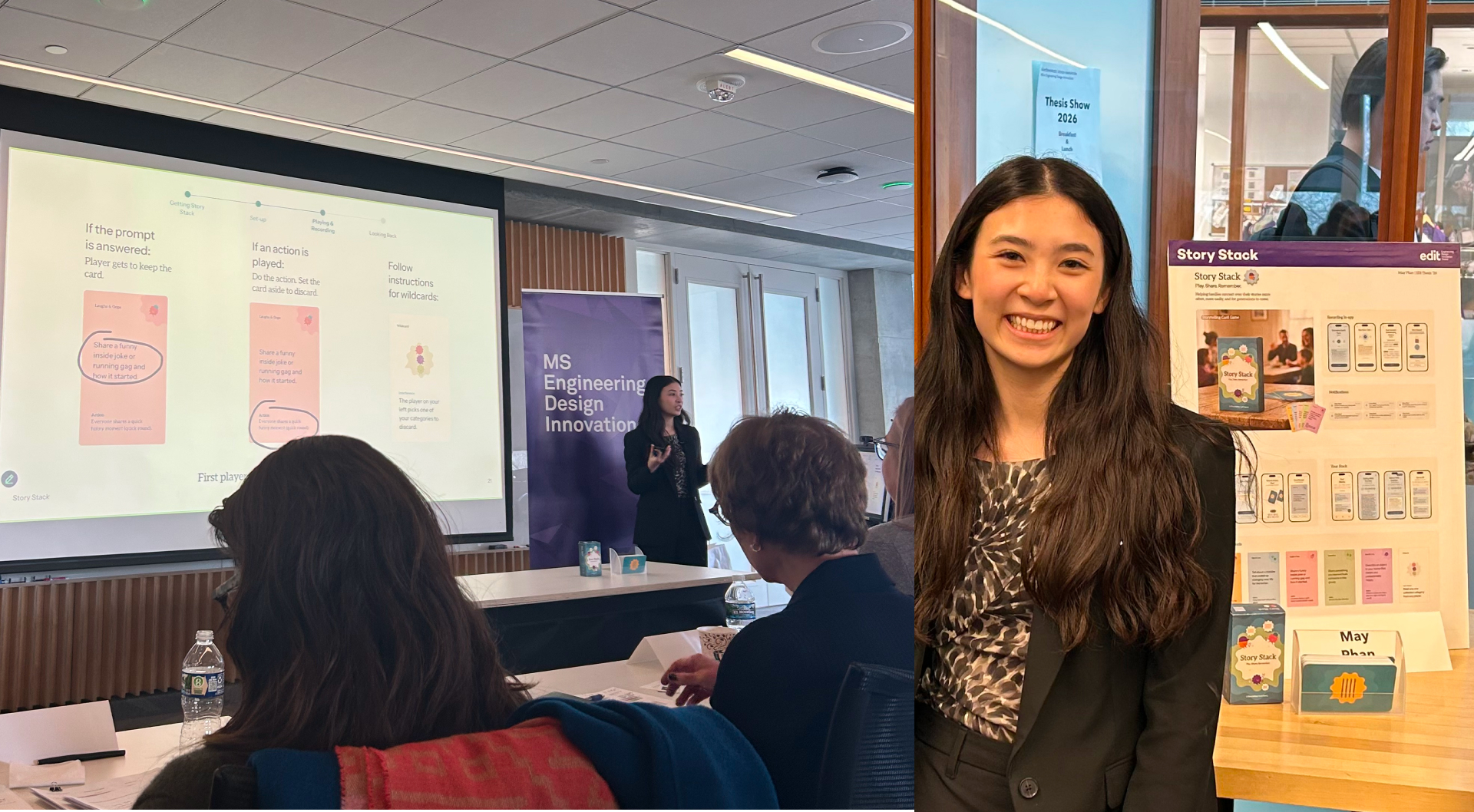
This project took me from broad exploratory research into the tensions around family storytelling, through iterating on a physical game and app, building a comprehensive design system, and presenting my final thesis to a large audience. Across six months of self-led work, I deepened my skills in user research, project organization, visual design, and digital product design.

See the final presentation slides here.
< Back
Airline App
Next Project >
Portal Configuration